



IL-23
IL-23 is a heterodimeric cytokine of the IL-12 family composed of the p19 and p40 subunits and functions as a central regulator of inflammatory immune responses through the IL-23/IL-17 axis.[1] Mechanistically, IL-23 is produced primarily by antigen-presenting myeloid cells and promotes the proliferation, survival, and stabilization of pathogenic T helper 17 (Th17) cells, thereby sustaining production of pro-inflammatory effector cytokines and amplifying downstream inflammatory signaling.[2][3] Through these activities, IL-23 contributes to tissue inflammation, barrier immune responses, and the maintenance of chronic immune-mediated inflammatory processes.[2][4] Disease-associated studies have identified IL-23 as a critical pathogenic cytokine in psoriasis, psoriatic arthritis, inflammatory bowel disease, and other inflammatory disorders in which dysregulation of the IL-23/IL-17 pathway is observed.[2][3][5] Compared with the related cytokine IL-12, which shares the p40 subunit but contains a p35 subunit, IL-23 exhibits distinct biological functions and is more closely associated with Th17-cell maintenance, whereas IL-12 is linked to Th1-cell responses.[1][2] Experimental studies using cytokine-deficient models demonstrated that IL-23-driven inflammatory mechanisms are pathogenetically distinct from those mediated by IL-12.[2] For experimental and translational research applications, monoclonal antibodies targeting either the shared p40 subunit or the IL-23-specific p19 subunit have enabled selective interrogation and therapeutic inhibition of IL-23 signaling in inflammatory disease models and clinical settings.[5]
References:
- [1]. Aggeletopoulou I, et al. Interleukin 12/interleukin 23 pathway: Biological basis and therapeutic effect in patients with Crohn's disease. World J Gastroenterol. 2018 Sep 28;24(36):4093-4103. [Content Brief]
- [2]. Krueger JG, et al. IL-23 past, present, and future: a roadmap to advancing IL-23 science and therapy. Front Immunol. 2024 Apr 15;15:1331217. [Content Brief]
- [3]. Peter EK, et al. A Hybrid Hamiltonian for the Accelerated Sampling along Experimental Restraints. Int J Mol Sci. 2019 Jan 16;20(2):370. [Content Brief]
- [4]. Sciencedirect.topics.
- [5]. Rabezanahary H, et al. Live virus neutralizing antibodies against pre and post Omicron strains in food and retail workers in Québec, Canada. Heliyon. 2024 May 21;10(10):e31026. [Content Brief]
-
IL-23 관련 제품 (38)
관련 제품 (38)

-
Recombinant Proteins (22)
- 1
- 2
-
Deucravacitinib
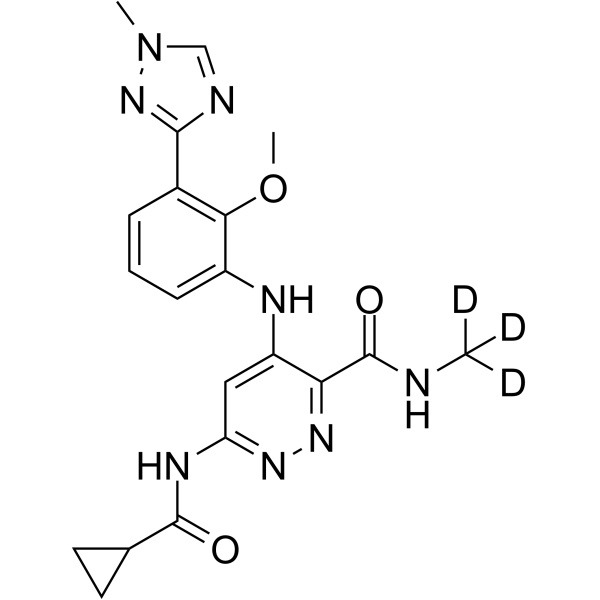 0 ImagesSynonyms: BMS-986165Deucravacitinib (BMS-986165) is an orally active allosteric inhibitor of tyrosine kinase 2 (TYK2), with an IC50 of 0.2 nM and a Ki of 0.02 nM against the JH2 domain of TYK2, and it exhibits selectivity over other JAK subtypes and most of the kinome. Deucravacitinib blocks IL-23, IL-12, p-STAT1/3 and Type I IFN signaling, and inhibits Th17/Th1-mediated psoriasis inflammation. Deucravacitinib can be used in research related to moderate-to-severe plaque psoriasis, inflammatory bowel disease and systemic lupus erythematosus.
-
Icotrokinra
 0 ImagesSynonyms: JNJ-77242113; JNJ-2113; PN-235Icotrokinra (JNJ-77242113) is an orally available, selective antagonist of the IL-23 receptor. Icotrokinra inhibits IL-23-induced STAT3 phosphorylation in peripheral blood mononuclear cells (IC50=5.6 pM) and inhibits IL-23-induced interferon IFN-γ production in NK cells with an IC50 of 18.4 pM. Icotrokinra exhibits anti-inflammatory activity in a rat TNBS-induced colitis model. Icotrokinra can be used in the study of psoriasis, psoriatic arthritis, and inflammatory bowel disease.
-
Ustekinumab
 0 ImagesSynonyms: CNTO-1275; L04AC05; TT-20
-
Risankizumab
 0 ImagesSynonyms: Risankizumab rzaa; BI 655066; ABBV-066Risankizumab (BI 655066) is a humanised IgG monoclonal antibody, targeting IL-23 p19 subunit (Kd <10 pM) and inhibiting IL-17 production induced by human IL-23 in mouse splenocytes (IC50 = 2 pM). Risankizumab can be used to research immunological and inflammatory disorders such as psoriasis vulgaris, psoriatic arthritis, generalized pustular psoriasis and erythrodermic psoriasis.
-
Envudeucitinibum
 0 ImagesSynonyms: Envudeucitinib; ESK-001Envudeucitinibum (Envudeucitinib; ESK-001) is an orally active and selective TYK2 allosteric inhibitor with an IC50 range of 104-149 nM. Envudeucitinibum blocks JH1 catalytic activity by specifically binding to the JH2 domain of TYK2, thereby inhibiting downstream signaling pathways. Envudeucitinibum is used for research on plaque psoriasis, systemic lupus erythematosus, and other immune-mediated diseases.
-
Icotrokinra hydrochloride
 0 ImagesCat. No.: HY-P10587BPurity: 99.74%Synonyms: JNJ-77242113 hydrochloride; JNJ-2113 hydrochloride; PN-235 hydrochlorideIcotrokinra (JNJ-77242113) hydrochloride is an orally available, selective antagonist of the IL-23 receptor. Icotrokinra hydrochloride inhibits IL-23-induced STAT3 phosphorylation in peripheral blood mononuclear cells (IC50=5.6 pM) and inhibits IL-23-induced interferon IFN-γ production in NK cells with an IC50 of 18.4 pM. Icotrokinra hydrochloride exhibits anti-inflammatory activity in a rat TNBS-induced colitis model. Icotrokinra hydrochloride can be used in the study of psoriasis, psoriatic arthritis, and inflammatory bowel disease.
-
Nomelcitinib
 0 ImagesCat. No.: HY-184075SCAS No.: 2794195-73-4Nomelcitinib is a TYK2 inhibitor that modulates the IL23 signaling pathway. Nomelcitinib is used for research on multiple sclerosis, rheumatoid arthritis, inflammatory bowel disease, systemic lupus erythematosus, psoriasis, psoriatic arthritis, Crohn's disease, Sjögren's syndrome, and scleroderma.
-
Guselkumab
 0 ImagesSynonyms: CNTO 1959Guselkumab is a recombinant human IgG1 monoclonal antibody against the IL-23p19 subunit. Guselkumab binds to human and cynomolgus monkey IL-23 with Kd values of 3.3 and 1.9 pmol/L, respectively. Guselkumab inhibits production of cytokines lying downstream of the IL-23 signaling pathway and can be used for psoriatic arthritis research.
-
Briakinumab
 0 ImagesSynonyms: ABT-874Briakinumab (ABT-874) is a fully human anti-IL-12/23p40 monoclonal antibody. Briakinumab targets and neutralizes IL-12 and IL-23. Briakinumab can be used for the research of rheumatoid arthritis, inflammatory bowel disease, and multiple sclerosis.
-
Anti-Mouse IL-23 p19 Antibody (G23-8)
 0 ImagesCat. No.: HY-P990217Purity: 99.14%Anti-Mouse IL-23 p19 Antibody (G23-8) is a rat-derived anti-mouse IL-23 p19 IgG1 monoclonal antibody. Anti-Mouse IL-23 p19 Antibody (G23-8) alleviates inflammation by restoring CLDN8 expression. Anti-Mouse IL-23 p19 Antibody (G23-8) can be used for research on inflammation conditions such as colitis and asthma.
-
Apilimod mesylate
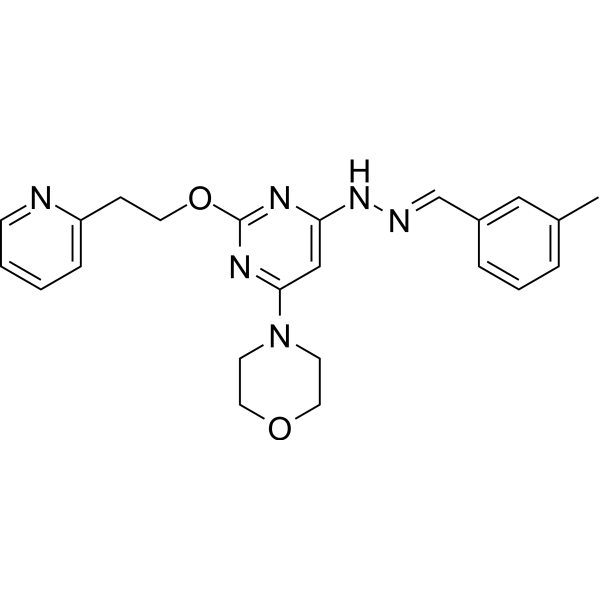
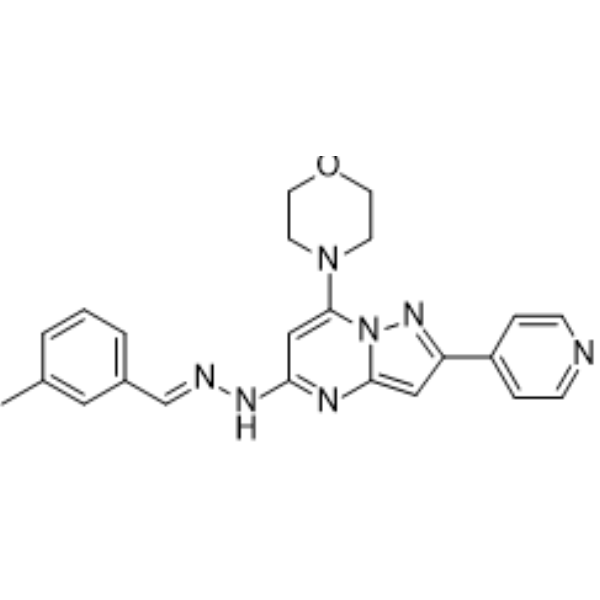
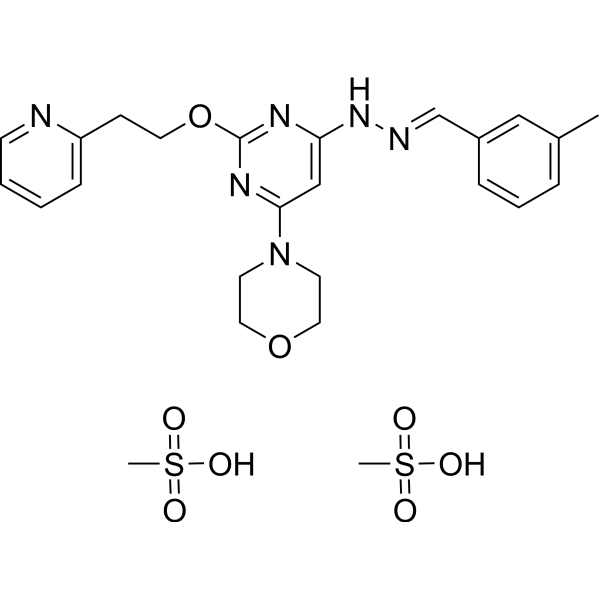 0 ImagesSynonyms: STA 5326 mesylate; LAM-002A; AIT-101 mesylate
-
Vorbipiprant
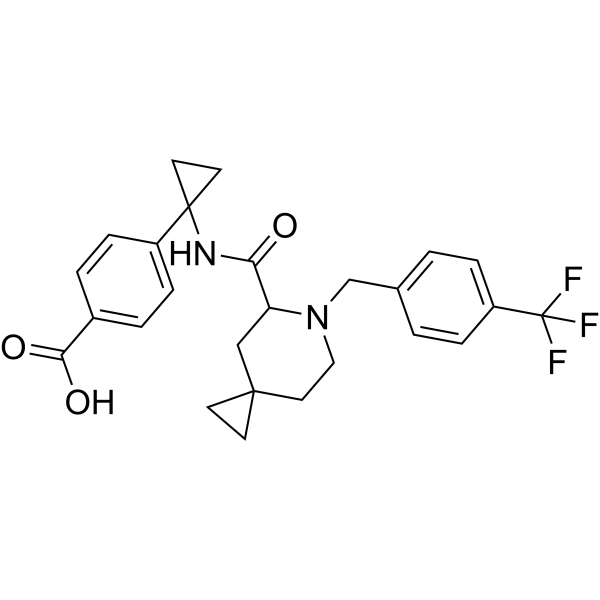 0 ImagesSynonyms: CR6086Vorbipiprant (CR6086) is an orally active EP4 receptor antagonist with high selectivity for the human EP4 receptor (Ki: 16.6 nM). Vorbipiprant has immunomodulatory, anti-inflammatory, antitumor, and anti-angiogenic activities. Vorbipiprant can inhibit the expression of multiple pro-inflammatory cytokines and the activation of immune cells, and convert "cold" tumors unresponsive to immune checkpoint inhibitors into "hot" tumors. Vorbipiprant is used in the research of diseases such as rheumatoid arthritis and colon cancer.
-
Arabinoxylan (Medium viscosity)
 0 ImagesArabinoxylan Medium viscosity is an orally active Dectin-1 splice variant modulator, glucose absorption inhibitor, and chyme viscosity enhancer. Arabinoxylan Medium viscosity inhibits particulate β-glucan-induced Dectin-1A activation and mildly suppresses Dectin-1B activation. In human dendritic cells stimulated with particulate β-glucan, Arabinoxylan Medium viscosity reduces the production of IL-10 and TNF-α, and increases the production of IL-4 and IL-23. Arabinoxylan Medium viscosity also supports antifungal immune responses without activating TLR2, TLR4 or TLR5, and does not induce cytokine production when used to stimulate human dendritic cells alone. Arabinoxylan Medium viscosity increases small intestinal chyme viscosity, gets degraded in the large intestine to produce short-chain fatty acids, reduces glucose absorption and insulin response, and improves glucose homeostasis. Arabinoxylan Medium viscosity supports microbial fermentation and the growth of beneficial microbiota in the gastrointestinal tract, prevents bile acid reabsorption, and delays starch digestion. Arabinoxylan Medium viscosity can be used in research related to type 2 diabetes, impaired glucose tolerance, and metabolic syndrome.
-
Suciraslimab
 0 ImagesCat. No.: HY-P990781CAS No.: 2415439-63-1Synonyms: SM03Suciraslimab (SM03) is an anti-human CD22 monoclonal antibody. Suciraslimab inhibits NLRP3 and ASC signaling. Suciraslimab suppresses cytokine (IL-1β, IL-12, IL-23) secretion and α4 integrin expression. Suciraslimab improves working memory and neuroinflammation. Suciraslimab isotype control product: Human IgG1 kappa, Isotype Control (HY-P99001).
-
Tyk2-IN-7
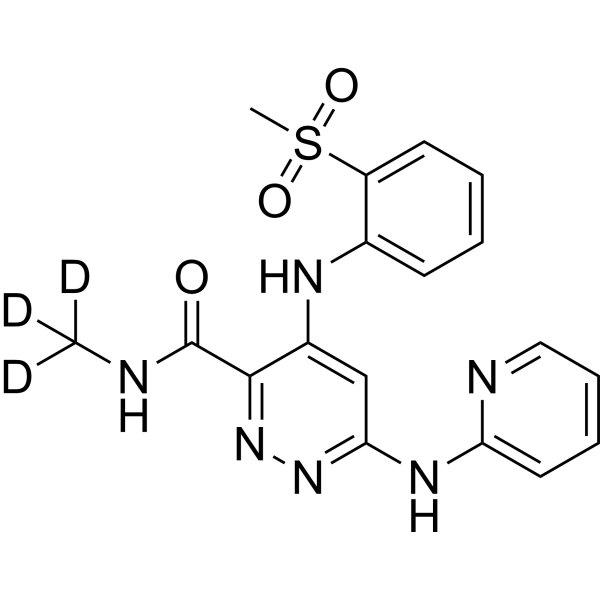 0 ImagesTyk2-IN-7 is an orally active TYK2 JH2 inhibitor, binds to TYK2 JH2 domain with IC50 and Ki.app of 0.00053 μM and 0.00007 μM, respectively. Tyk2-IN-7 provides a highly selective alternative to conventional TYK2 orthosteric inhibitors, inhibits TYK2/JAK1/JAK2 kinase domain. Tyk2-IN-7 can inhibit the IL-23 and IFN-α signaling pathways. Tyk2-IN-7 is commonly used in the study of inflammatory conditions such as colitis.
-
QL-1200186
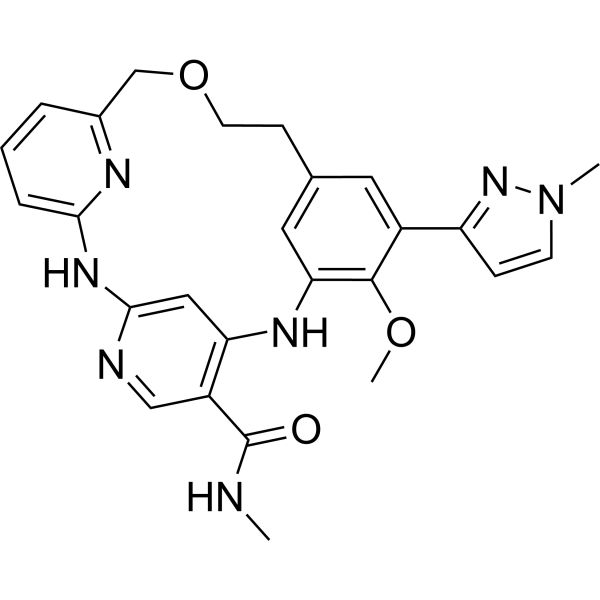 0 ImagesQL-1200186 is a selective, orally active, allosteric inhibitor targeting the tyrosine kinase TYK2 pseudokinase domain JH2 (IC50=0.06 nM, TYK2 JH2), with 164-fold selectivity over TYK1 JH2 (IC50=9.85 nM,TYK1 JH2). QL-1200186 first stabilizes the TYK2 JH2 conformation, inhibits the activity of the JH1 catalytic domain, and blocks the IFNα, IL-12/IL-23-mediated JAK-STAT signaling pathway. QL-1200186 can inhibit the production of Th1/Th17 cell-related cytokines (such as IFNγ, IL-23), reduce immune cell activation, and has no significant effect on JAK1/2/3 kinase activity. QL-1200186 can significantly improve skin inflammation in the Imiquimod (HY-B0180)-induced psoriasis mouse model and reduce the Psoriasis Area and Severity Index (PASI) score. QL-1200186 can be used in the study of autoimmune diseases such as psoriasis and systemic lupus erythematosus (SLE).
-
PROTAC IRAK4 degrader-13
 0 ImagesPROTAC IRAK4 degrader-13 (Degrader 1) is a selective IRAK4 PROTAC degrader with DC50s of 0.86 and 1.1 nM for monocytes and lymphocytes in PBMCs, respectively. PROTAC IRAK4 degrader-13 significantly induces TIR signal activation, and inhibits the expression of circulating proinflammatory cytokines in Imiquimod (HY-B0180) induced psoriasis mice model. PROTAC IRAK4 degrader-13 can be used for TLR- and IL-1R-driven driven neutrophilic inflammation diseases like hidradenitis suppurativa (HS) and atopic dermatitis (AD) research. Pink: IRAK4 ligand; Blue: E3 ligase ligand; Black: linker
-
Brazikumab
 0 ImagesSynonyms: AMG 139; MEDI2070Brazikumab (AMG 139) is a human IgG2 monoclonal antibody, selectively binds the p19 subunit of IL-23, with a KD of 0.138 nM for human IL-23. Brazikumab can be used for the research of Crohn's disease.
- 1
- 2




